
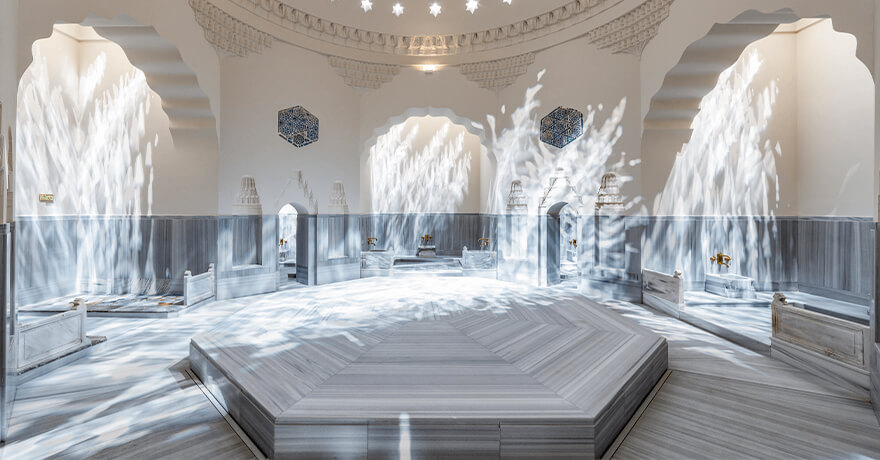
The Emergence of Turkish Baths (Hammams) in Istanbul
The hammam, or Turkish bath, is an integral part of Istanbul’s rich cultural heritage. The concept of the hammam originated from the Roman and Byzantine bathing traditions, evolving into a unique experience during the Ottoman Empire. Hammams were not just places for bathing; they were social centers where people gathered, socialized, and conducted business. For Istanbulites, visiting the hammam was a weekly ritual that combined cleanliness, relaxation, and socialization.

In the Ottoman era, hammams played a significant role in daily life and were essential for both the common people and the palace residents. Public hammams served the local communities, while private hammams within palaces were luxurious retreats for the sultans and their families. Hammams were meticulously designed with separate sections for men and women, featuring domed ceilings, marble interiors, and intricate tile work. The traditional hammam experience included a series of rooms with varying temperatures, from the warm changing room to the hot steam room, culminating in a cold plunge pool.


Over time, hammams have evolved, blending traditional practices with modern amenities. Today, many historical hammams in Istanbul continue to operate, offering an authentic experience that connects visitors to the city’s storied past.
The traditional Turkish bath experience typically involves a series of steam rooms of increasing temperature, followed by a body scrub with a special exfoliating glove called a kese, and a relaxing massage. The process is meant to cleanse the body and promote relaxation.
Tips for Visiting a Hammam
1) Health Precautions: If you have any health conditions such as heart problems or high blood pressure, consult your doctor before visiting a hammam. The heat and steam can be intense and may not be suitable for everyone.
2) Stay Hydrated: Drink plenty of water before and after your hammam visit to stay hydrated. The heat and steam can cause dehydration.
3) Personal Belongings: Keep your valuables safe. Most hammams provide lockers, but it’s best to bring only what you need.
4) Hygiene: Traditional hammams provide a pestemal (a thin towel) and often a pair of slippers. Make sure to use these for hygiene purposes. Shower before entering the steam room.
5) Etiquette: Follow the hammam etiquette, which includes being respectful to staff and other patrons, keeping noise levels low, and following the dress code (usually swimwear or a pestemal).
6) Relax and Enjoy: The hammam experience is meant to be relaxing. Take your time to enjoy the process, from the warm steam to the refreshing cold plunge.
Exploring Istanbul’s hammams offers a unique glimpse into the city’s rich history and cultural traditions. Whether you’re a local or a visitor, experiencing a Turkish bath is a must-do activity that combines relaxation, socialization, and a deep connection to the past.
Major Hammams in Istanbul
The closest hammam experience to you is our hotel’s hammam located on the -2nd floor of our hotel. Apart from this closest possibility, if you want to experience this magnificent experience in hundreds of years old structures, we have listed some of the most well-known hammams in Istanbul below. Whether you want to go to our hotel or one of the hammams below, don’t forget to make a reservation.
1) Cağaloğlu Hamamı
Year Built: 1741
2) Zeyrek Çinili Hamamı:
Year Built: 1530
3) Hürrem Sultan Hamamı
Year Built: 1556
4) Kılıç Ali Paşa Hamamı
Year Built: 1583
5) Süleymaniye Hamamı
Year Built: 1557
6) Çemberlitaş Hamamı
Year Built: 1584